
From urban waste to
solid recovered fuel.
Physico-mechanical processes and thermochemical conversion transform waste into raw materials of industrial value. A new life for what was previously discarded.
The result is solid.
The value returns to the industry.
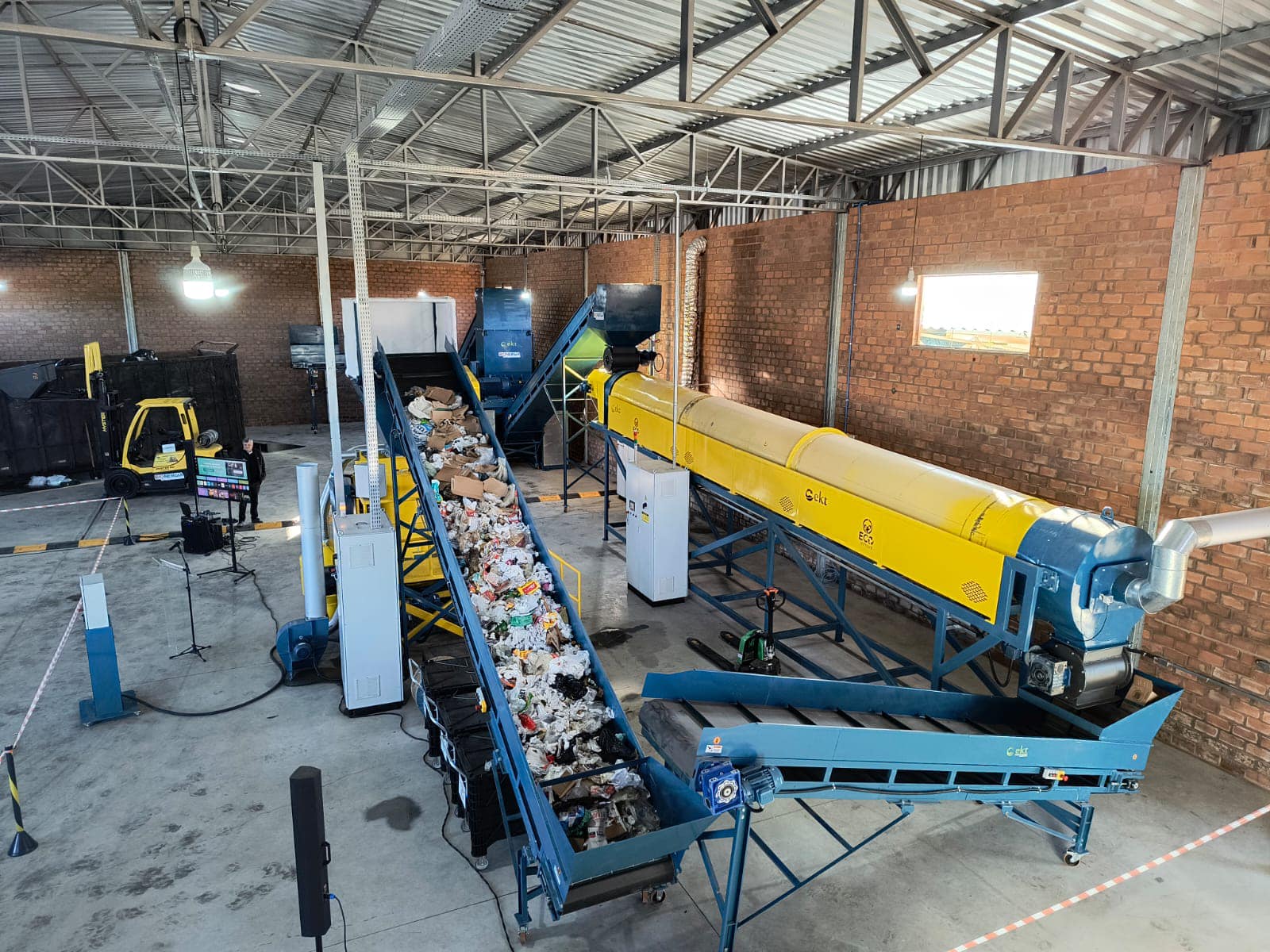
Bionergia technology integrates mechanical preparation and thermal transformation to produce SRF — Solid Recovered Fuel. Our first industrial unit, in Garibaldi, Rio Grande do Sul, applies this process in practice.
We do not produce biogas and we do not operate our own thermoelectric plant. SRF is a solid additive that, together with conventional biomass, supplies boilers, ovens, furnaces and industrial dryers.
Discover the Garibaldi ProjectFive steps. A new destination.
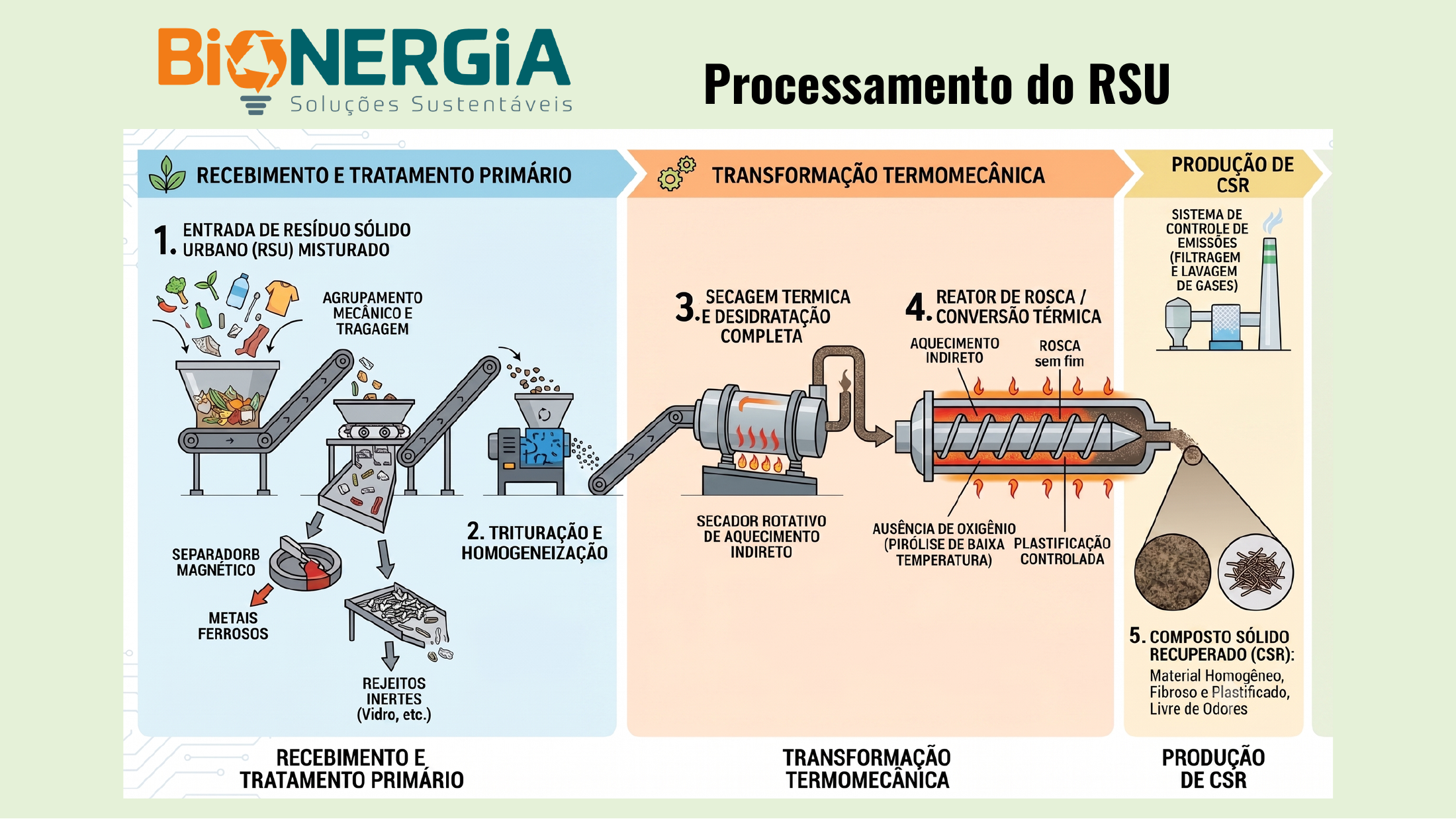
Sorting preserves recyclables. The usable fraction goes to crushing, drying and conversion into SRF, with air and steam treatment throughout the process.
- 01
Receiving and sorting
Weighing · manual and mechanical separation
The MSW is received and weighed. Sorting separates recyclables, metals and waste from the fraction destined for recovery.
- 02
Crushing
Crusher mill · homogenization
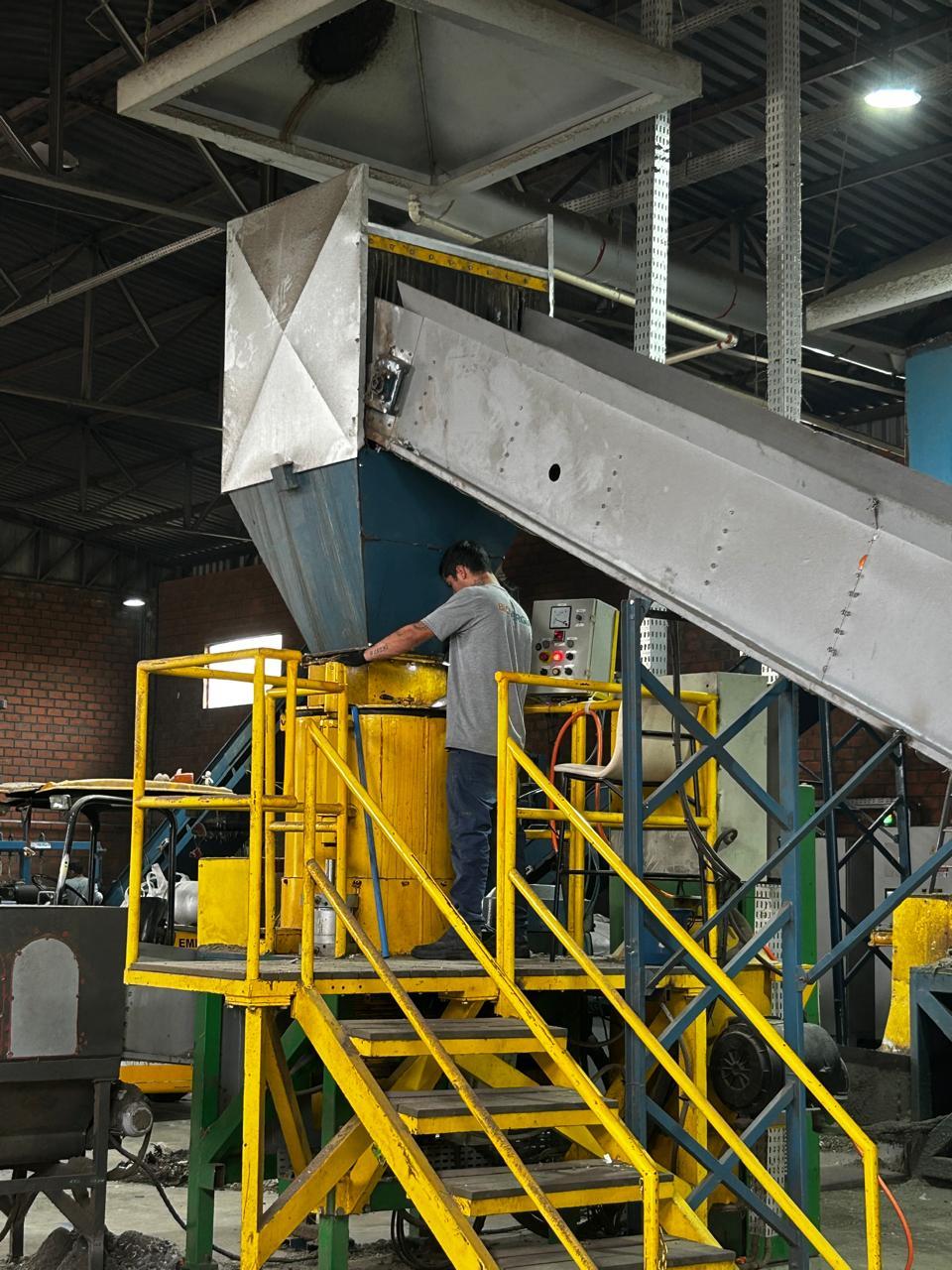
The selected material is crushed, reducing particle size and preparing a homogeneous mixture for treatment.
- 03
Drying and sterilization
Rotary dryer · indirect heating
Dehydration removes moisture and heat treatment sterilizes the material. At this stage, it becomes classified as RDF — Refuse-Derived Fuel.
- 04
Thermomechanical conversion
Screw conveyor · stationary drum
The RDF passes through the helical screw system. Frictional heat and indirect heating promote the controlled transformation of the material into SRF.
- 05
SRF and industrial destination
Classification · storage · distribution
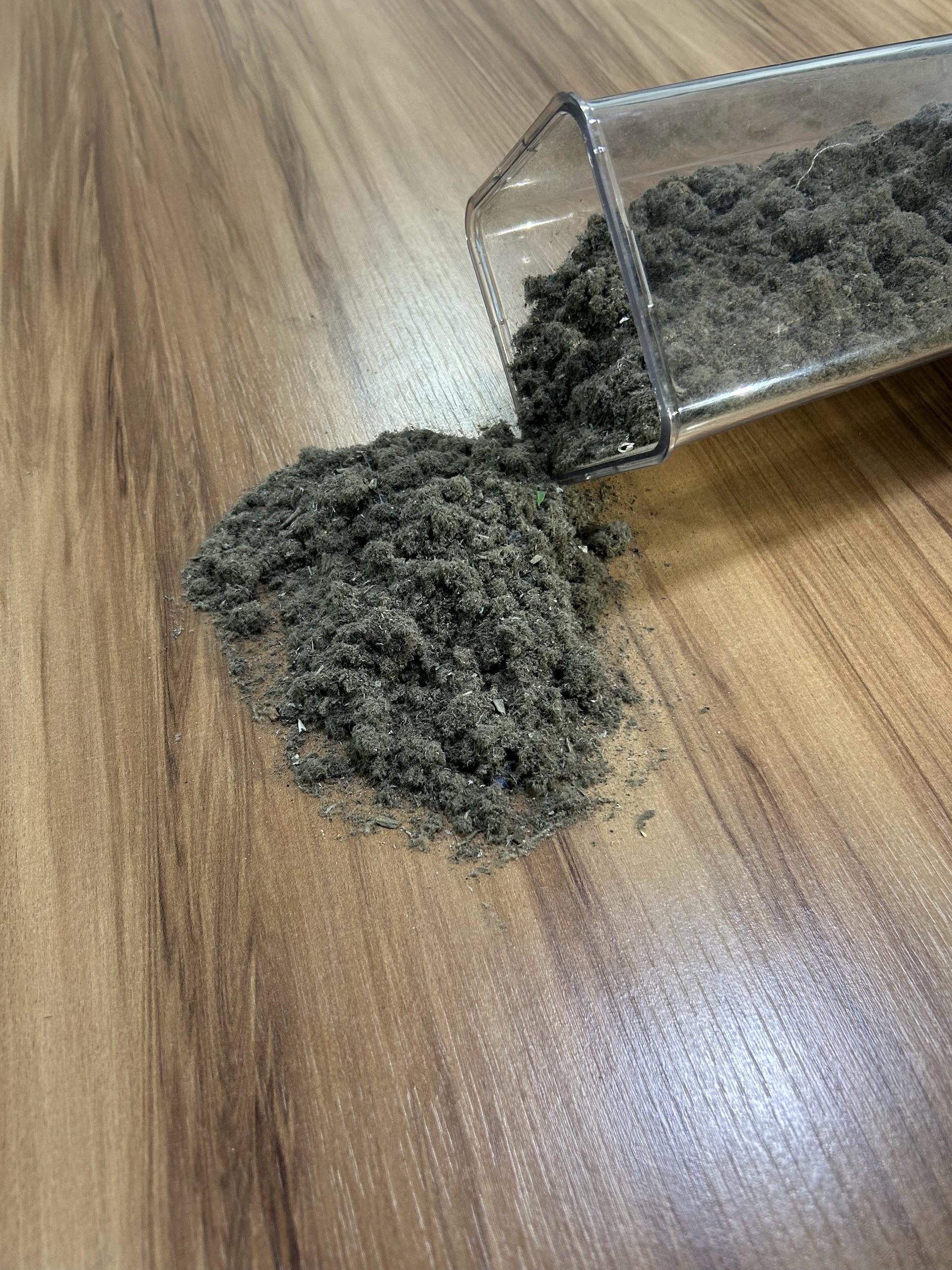
The Solid Recovered Fuel is classified and stored. In conjunction with conventional biomass, it serves as an additive for boilers, ovens, furnaces and industrial dryers.
A screw in motion.
A stationary drum.
After drying in a rotary dryer, the RDF goes to the screw conveyor system: a helical screw rotates inside a drum that remains stationary. Frictional heat and its indirect application promote thermomechanical conversion.
This process combines physical-mechanical treatment and thermochemical conversion. It is not the patented D4W technology, which uses another processing principle.
The dryer prepares RDF. The screw system transforms this material into SRF, the solid additive intended for industry.
The residue becomes
a valuable input.
SRF returns to the production chain as an additive to biomass. Its industrial use contributes to the valorization of waste and to reducing the demand for natural resources intended for energy production.
- 3 t → 1 t
- MSW processed → SRF produced
- ≈ 4,700
- kcal/kg · calorific value
- 20%
- incorporation into biomass
- Up to 9.38%
- temperature rise in boilers
Data provided by Bionergia in the technical material. The results depend on the composition of the waste, biomass and operating conditions; do not constitute a guarantee for every application.
Each exit has its destination.
The map details the separation of recyclables and metals, air and steam treatment, SRF classification and waste disposal. Control begins at the input weighing and monitors the output of materials.
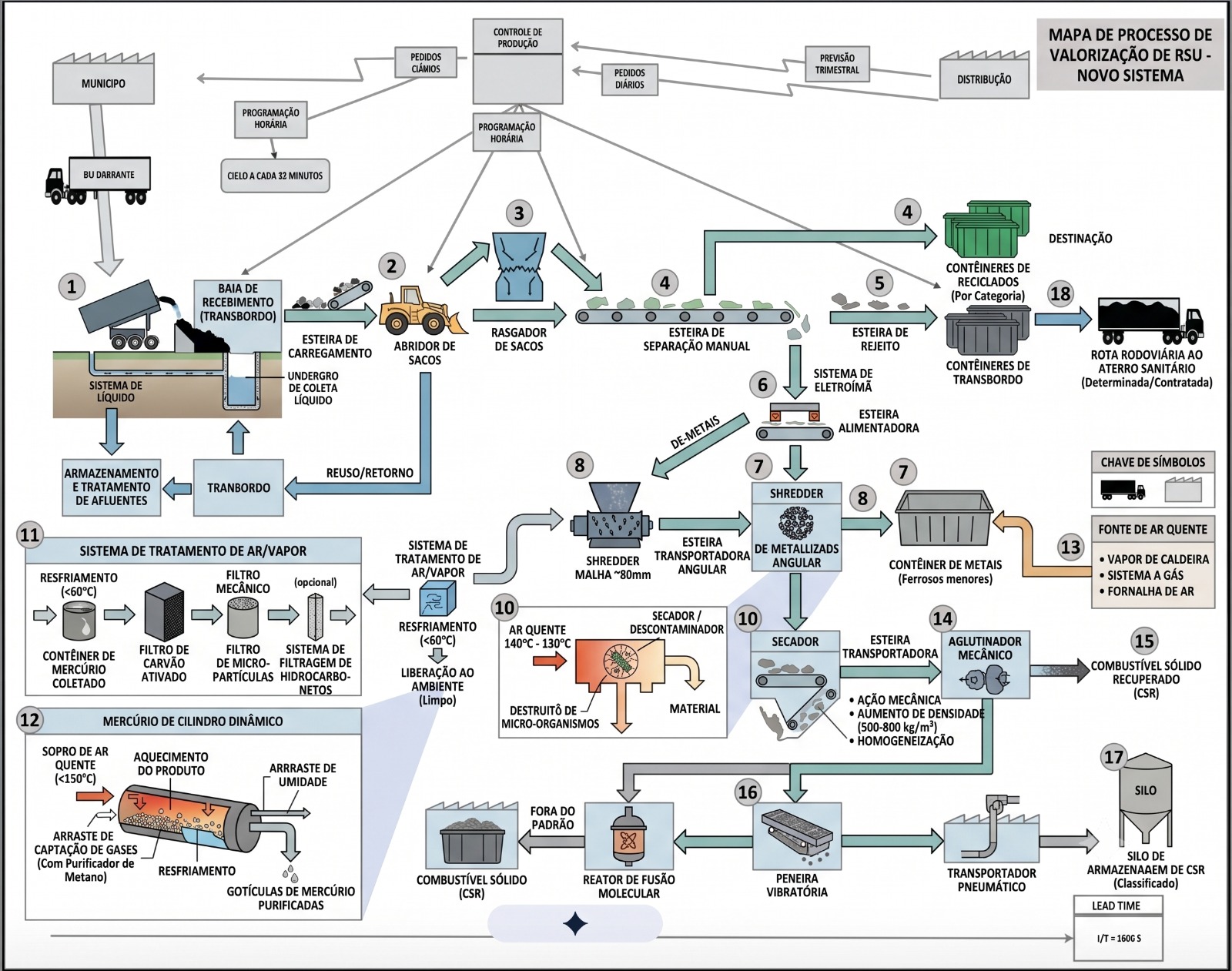
Recyclables and metals
Separation by category and forwarding to the respective recycling chains.
SRF for industry
Classification, storage and distribution for use with conventional biomass.
Rejects and traceability
Weighing and documentation accompany inputs and outputs, with disposal of unusable waste.
The waste we treat.
- Household MSW and urban cleaning
- Industrial waste
Our plant is constantly evolving and expanding.
Monitoring and compliance.
The process includes air and steam treatment and continuous monitoring of emissions and organic pollutants. Our operations are guided by Federal Law 6.938/1981 and Law 14.026/2020, the Legal Framework for Basic Sanitation.
A new destination for your waste.
Talk to Bionergia about the needs of your municipality or industry.